
How Music Venues Choose Opening Acts: Inside the Booking Decisions That Make or Break Your Night
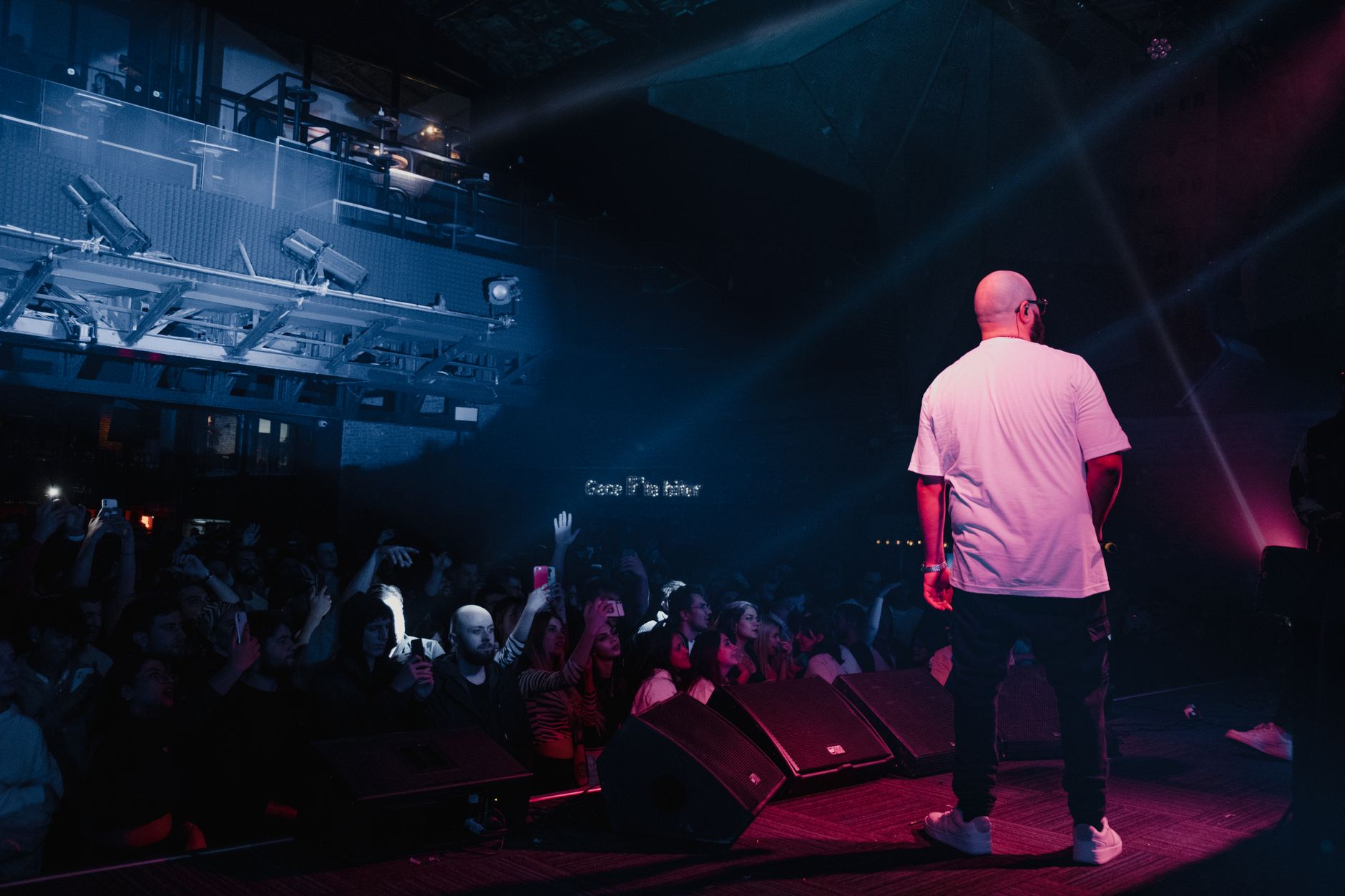
With fall touring season kicking into high gear and major acts like Olivia Rodrigo and Tyler, the Creator announcing stacked 2026 arena runs, the competition for opening slots has never been fiercer. But here’s what most fans never consider: how music venues choose opening acts involves far more than simply picking a band the headliner likes. The process sits at the intersection of data analytics, local market knowledge, backroom politics, and gut instinct—and getting it wrong can tank ticket sales, drain bar revenue, and leave audiences checking their phones until the main event starts.
Whether you’re an emerging artist trying to land your first support slot, a manager building a tour strategy, or a music fan curious about the machinery behind your concert ticket, understanding venue-level decision-making reveals the hidden architecture of live music.
The Local Market Filter: Why Your Hometown Matters More Than Your Streams
Contrary to what Spotify numbers suggest, how music venues choose opening acts starts with geography, not global reach. Venue talent buyers and promoters maintain detailed mental maps of local scenes—who’s drawing consistently, who’s bought followers, and who’s actually converting social buzz into ticket sales.
Key factors venues weigh:
- Ticket history in that specific market — A band that sold 150 tickets at a 200-cap room six months ago trumps an out-of-town act with 10,000 Instagram followers and zero local presence
- Genre adjacency with headliner fans — The opener needs to complement without cloning; similar energy, slightly different flavor
- Day-of-week compatibility — Tuesday night bills need stronger local draws than Saturday showcases
“The first question I ask isn’t ‘Are they good?’” says Marcus Chen, talent buyer for Chicago’s Empty Bottle. “It’s ‘Who in this city already cares?’”
Venues increasingly use tools like Songkick Artist Insights and Bandsintown Fan Analytics to verify claims. In 2026, with touring costs up 34% post-pandemic, nobody can afford to gamble on unproven out-of-market acts for opening slots.
The Relationship Economy: How Booking Actually Gets Done
For all the talk of data, how music venues choose opening acts still runs on relationships—and understanding these pathways is crucial for artists trying to break through.
Three primary booking channels:
- Headliner-curated slots — The main act’s management submits 2-3 approved options; venue typically rubber-stamps if numbers check out
- Venue-initiated local picks — Talent buyer proposes regional acts to touring manager, especially for early-week shows needing guaranteed baseline attendance
- Package deals through agencies — CAA, WME, and smaller shops bundle emerging clients with established acts, sometimes offering rate discounts for the opener
The power dynamic shifts dramatically by venue size. At 500-cap rooms, local promoters often control the entire bill. At 5,000-cap theaters, the headliner’s agent increasingly dictates support. The sweet spot for emerging artists—2,000-3,000 capacity venues—often features the most negotiation and opportunity.
Insider tip: Build relationships with venue talent buyers before you need them. Attend their showcase nights, support their bills when you’re not playing, and send quarterly updates with specific local market data—not generic press releases.
The Financial Calculation: Split Points, Bar Guarantees, and Hidden Revenue
Opening act deals are rarely straightforward, and how music venues choose opening acts frequently comes down to financial engineering that fans never see.
Typical 2026 opening act arrangements:
- Flat fee — $250-$2,500 depending on venue size and market; common for local supports on developing tours
- Percentage of net — Usually 10-15% for direct supports; kicks in only after headliner guarantee and expenses are met
- Merch-only compensation — Controversial but persistent, especially for festival slots and “exposure” opportunities
- Bar minimum guarantees — Some venues specifically select openers with historically thirsty crowds; this is real, if rarely discussed
The most savvy venues now calculate per-capita bar spend by genre—data collected over years of shows. A country opener whose fans drink $18 whiskey cocktails generates different value than an indie act whose audience nurses $5 sodas. This isn’t cynical speculation; it’s operational reality for thin-margin businesses.
Emerging trend: Several major venue groups, including AEG Presents and Live Nation’s House of Blues division, have piloted “performance-based opener bonuses”—additional payments tied to bar revenue exceeding projections. Artists rarely see these formulas, but they increasingly influence selection.
The 2026 Wildcards: AI Tools, Genre Fluidity, and TikTok Velocity
Two forces are currently reshaping how music venues choose opening acts: predictive technology and accelerating genre collapse.
AI-assisted booking tools like Utopia Music’s VenueIQ and Paradigm’s internally developed matching algorithms now analyze streaming data, social sentiment, and historical ticket correlations to suggest optimal support pairings. These tools don’t replace human judgment—yet—but they heavily influence which acts enter the conversation.
Meanwhile, genre boundaries have dissolved enough that venues take bigger stylistic swings. Recent successful pairings include:
- Charli XCX / Brat Summer vibes opening for country-adjacent Zach Bryan — Shared emotional directness, different packaging
- Hyperpop acts supporting legacy rock tours — Grandparents bringing grandkids, both finding something unexpected
TikTok velocity creates both opportunity and risk. A song trending on the platform can fast-track an artist into consideration, but venues increasingly distinguish between “viral moment” and “convertible fanbase.” One Midwest talent buyer described passing on a 2-million-follower TikTok act because “their comment section was 90% ‘What song is this?’—meaning nobody knew their name, just the sound.”
How Artists Can Position Themselves for Opening Slots
Understanding how music venues choose opening acts is only useful if you can act on it. Here’s a practical roadmap:
Six months before target tour dates:
- Document your ticket sales in every market you’ve played, with specific venue names and capacities
- Identify 10-15 headliners whose audiences overlap with yours; use Spotify “Fans also like” and festival lineup clustering
- Connect with local talent buyers at their showcases, not yours
Three months out:
- Reach out to headliner management with concise pitches: “We drew 180 in [City] on a Wednesday, similar energy to [Headliner], available [Date Range]”
- Leverage any mutual connections—shared producers, remixers, or playlist curators
One month out:
- Be ready to accept less-than-ideal terms for the right exposure; negotiate merch percentages and mailing list capture rather than fee increases
- Prepare your set for strict 30-35 minute limits; running over is the fastest way to never get invited back
Post-show:
- Send venue talent buyer attendance numbers, social metrics, and video within 48 hours
- Request specific feedback; relationships build through demonstrated growth
Conclusion
How music venues choose opening acts in 2026 reflects broader tensions in the music industry: art versus commerce, data versus instinct, global platforms versus local communities. The venues thriving right now are those balancing all three—using analytics to reduce risk while preserving the human judgment that creates genuinely memorable nights.
For artists, the path through this system requires patience, strategic relationship-building, and honest self-assessment about where you actually draw versus where you hope to. The opening slot isn’t a lottery ticket; it’s a professional credential that compounds over time. Get the local data right, show up prepared, and treat every 30-minute set as an audition for the next one.
The headliners selling out arenas this fall all played to mostly-empty rooms once. The difference between those who broke through and those who didn’t often came down to understanding exactly what the venue needed—and delivering it before anyone asked.
Like what you're reading?
Check out our recommended partner for this niche.
Novem Astra Global Media →